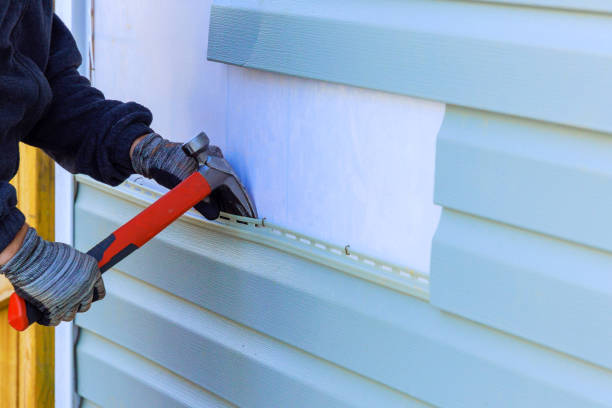
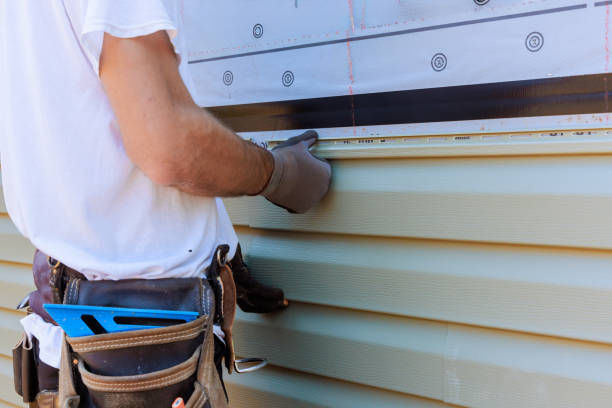
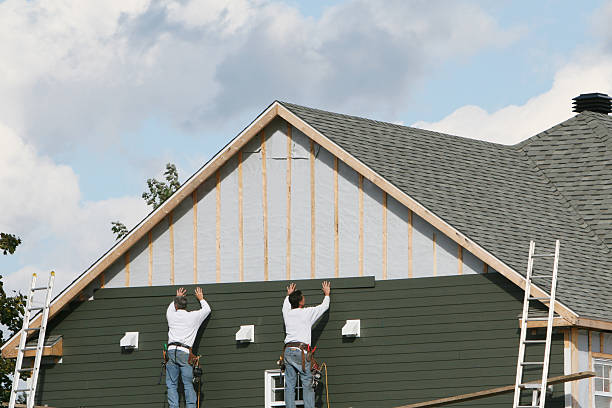
Siding fails gradually — moisture works into sheathing for months before interior damage appears. Most homeowners never know their cladding system is failing until the repair scope has doubled. Our Dallas, TX inspection specialists use pin-type and non-invasive moisture meters, visual documentation protocols, and close-range panel assessment to give you an accurate picture of your building envelope before you buy, sell, or commit to repairs.
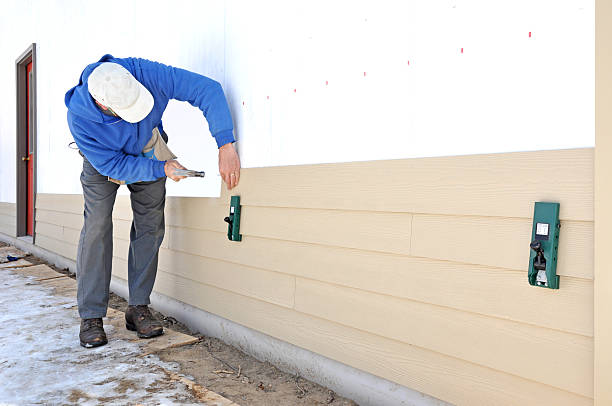
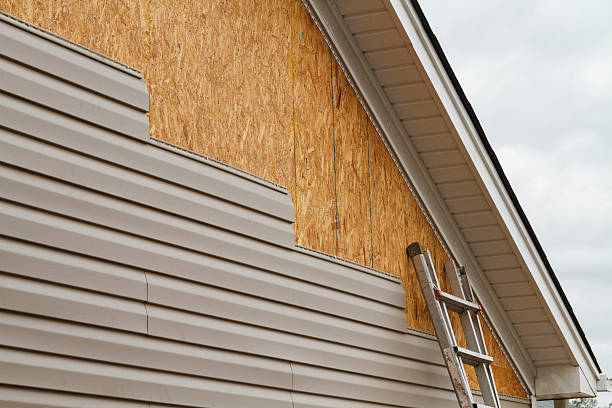
Not every crew offering Siding Inspection in Dallas, TX has the credentials and documented track record to back the claim. Here's what separates our team from the field.
Calibrated non-invasive capacitance meter for scanning behind panels, and pin-type meter for confirming readings at accessible substrate points. Not a visual walk-around.
Every deficiency photographed and documented in a written report organized by elevation. You receive a file you can use with your contractor, insurance company, or real estate transaction.
Critical, moderate, and monitor-only deficiencies ranked separately. Rough repair cost ranges for each category so you can make informed decisions about scope and timeline.
Our inspectors are licensed TX siding contractors — not generalists. We know what we're looking for because we install and repair the same systems we're inspecting.
Every service below is performed by trained specialists — not generalists covering a broad menu. Our Dallas, TX team focuses on Siding Inspection specifically, and that focus shows in the results.
Before closing on a Dallas, TX property, know the actual envelope condition — not what a general home inspector noted in two sentences. Panel-level deficiency documentation and rough repair cost ranges give you real negotiating data and eliminate the most common post-closing surprise.

An annual envelope check catches failed caulk, loose fasteners, and early moisture infiltration while they're minor. Year-over-year condition documentation creates a building envelope performance record useful for insurance renewals, HOA capital planning, and property sales.

After hail, high winds, or debris events, close-range inspection documents panel-face impact damage invisible from the ground — exactly the documentation insurance adjusters need for full-scope claim approvals rather than under-valued initial assessments.

When interior walls show staining or softness near exterior surfaces, we trace the moisture entry point from the exterior using non-invasive meter scanning before recommending any destructive investigation. Find the source first.

Sellers who know their envelope condition before listing can disclose accurately, address critical issues proactively, and eliminate the scenario where the buyer's inspector findings derail a closing. We give you the buyer's-eye view before the buyer's inspector does.

Systematic cladding assessments across multiple buildings with prioritized deficiency reports — organized by building and severity — suitable for HOA reserve fund planning, insurance renewals, and capital project scheduling.

Our Dallas, TX team follows the same documented process on every project — so you know what to expect at every stage.
Inspections typically scheduled within two to four business days. We need exterior access to all wall faces — plan for 90 minutes to three hours depending on home size and story count.
Inspector walks every accessible elevation at arm's reach, probes sheathing at a systematic grid using both meter types, tests caulk joints at all penetrations, and photographs every deficiency found — not just the major ones.
Non-invasive readings taken at systematic grid across each elevation. Readings above baseline flagged and location-referenced on a simple elevation diagram included with the report.
Photo-illustrated written report delivered within 24–48 hours of inspection. Organized by elevation and priority level: Critical / Moderate / Monitor. Rough repair cost ranges included for each deficiency category.
The moisture map in the report — actual readings, by location on the wall face — was the documentation we needed when the seller's agent tried to dispute the findings. Numbers don't argue with opinions.
The written report is organized exactly the way a contractor needs it — deficiency, elevation, priority, rough cost. I gave it to three repair contractors and got comparable quotes immediately.
Post-hail inspection documented 47 impact-damaged panels across three elevations. The insurance adjuster's walk-around had found eight. Our claim settlement was for 47. The photo report was the difference between a partial patch and a full elevation replacement.
The report's separation of Critical, Moderate, and Monitor deficiencies made it easy to prioritize what to fix before listing versus what to disclose as maintenance items. That structure saved us from over-spending on low-priority issues.
Forge Siding provides Siding Inspection across the full Dallas, TX service area. We're familiar with local building codes, permit requirements, and contractor licensing standards throughout TX — no learning curve on your project.
Serving zip codes including: 75287 75098 75234 75254 75251 75252 75253 75032 75238 75232 75233 75230 75231 75236 75237 75235 75089 75088 75087 75247 75244 75249 75248 75051 75223 75210 75211 75212 75214 75215 75216 75217 75218 75219 75390 75182 75229 75228 75220 75225 75224 75227 75226 75243 75241 75240 75246 75043 75166 75270 75207 75206 75205 75204 75203 75202 75201 75209 75208 75019 75221 75222 75242 75250 75260 75262 75263 75264 75266 75267 75277 75283 75284 75285 75301 75303 75312 75313 75315 75320 75336 75339 75342 75354 75355 75356 75357 75358 75359 75360 75367 75370 75371 75372 75373 75374 75376 75378 75379 75380 75382 75389 75392 75393 75394 75395 75397 75398 75261
One inspection gives you the complete picture of your building envelope — before a small problem becomes an expensive one.
📞 Call Forge Siding Now